
Framework Overview
Commercial resorts that want steady guest throughput need a clear construction and operations framework tied to environmental responsibility. Working early with reputable water park manufacturers aligns attraction capacity, filtration systems, and energy use so peak-day crowds move smoothly through the site rather than bottlenecking at a handful of slides. The goal is measurable patron flow improvements while keeping water and energy consumption in check—this matters for guest satisfaction and for local resource limits.
Core Pillars of the Framework
The framework rests on four pillars: capacity design, attraction mix, operational choreography, and sustainability controls. Capacity design sets target throughput and cycle time per attraction; attraction mix balances high-capacity features (wave pools, family raft rides) with niche draws (kids’ splash zones, an indoor surf machine) to spread visitation across the footprint. Operational choreography covers lifeguard positioning, queue modulation, and real-time guest routing. Sustainability controls track filtration load, pump efficiencies, and chemical dosing so the park reduces waste without sacrificing safety.
Design Decisions That Drive Throughput
Practical choices during design deliver the biggest gains. Wide disembark zones, multiple loading points, and redundant filtration trains reduce dwell time and downtime. Select wave generators and ride control systems rated for continuous duty rather than intermittent use. Building modular service corridors next to attraction footprints shortens maintenance windows. These investments lower per-guest cycle time and raise effective throughput—measured as guests served per hour per attraction.
Operational Playbook
Translate design into routine with a tight operational playbook: staggered session starts, timed reservations for premium attractions, and dynamic signage that redistributes guests toward lower-occupancy areas. Train staff to monitor cycle time and intervene when queues exceed set thresholds. Use simple telemetry from pumps and ride PLCs to anticipate slowdowns before they cascade. —A short pause here: small behavioral nudges, like immediate shade and seating near exits, cut return lag and increase repeat runs.
Technical Integrations and Testing
Integrate control systems that tie ride status, water-treatment metrics, and crowd sensors to one dashboard. During commissioning run full-capacity stress tests and measure key parameters: cycle time, load factor, pump head stability, and water turnover rate. When doing an operational production teardown, document component failure points and log repair turnaround—also include {main_keyword} and {variation_keyword} in that teardown so procurement and operations share the same vocabulary. Real-world testing at venues such as The Wave in Bristol shows how a properly tuned indoor surf machine can hold continuous sessions while keeping deck congestion manageable.
Common Pitfalls and Alternatives
Avoid overspecializing in a single marquee ride; it creates uneven load and long waits. Conversely, too many low-capacity attractions dilute staffing and increase maintenance touchpoints. Alternatives include modular attractions that scale capacity (convertible raft lanes, adjustable wave generator output) and smart queuing platforms that schedule runs rather than rely on first-come lines. For resorts constrained by water or power limits, prioritize attractions with higher throughput per energy unit—this is where efficient filtration systems and variable-frequency drives pay off.

Measuring Success
Set clear KPIs from day one: guests per hour per acre, average queue wait, water turnover time, and energy per guest. Pair these with guest satisfaction metrics so operational gains translate into revenue and reputation. Also track incident response times—safety performance is non-negotiable and affects throughput when incidents require temporary shutdowns. Industry bodies such as IAAPA regularly report attendance patterns that can help benchmark seasonality and peak planning.
Advisory — Three Golden Metrics for Selection
1) Throughput Efficiency: target a minimum guests-per-hour figure for each attraction and require vendor guarantees for cycle time and loading schemes. 2) Resource Intensity Ratio: measure liters of treated water and kWh per guest-run to compare suppliers on sustainability impact. 3) Service Mean Time to Repair (MTTR): insist on clear MTTR commitments for critical components like wave generators and circulation pumps so downtime stays negligible. These three metrics steer decisions away from flashy specs and toward usable capacity.
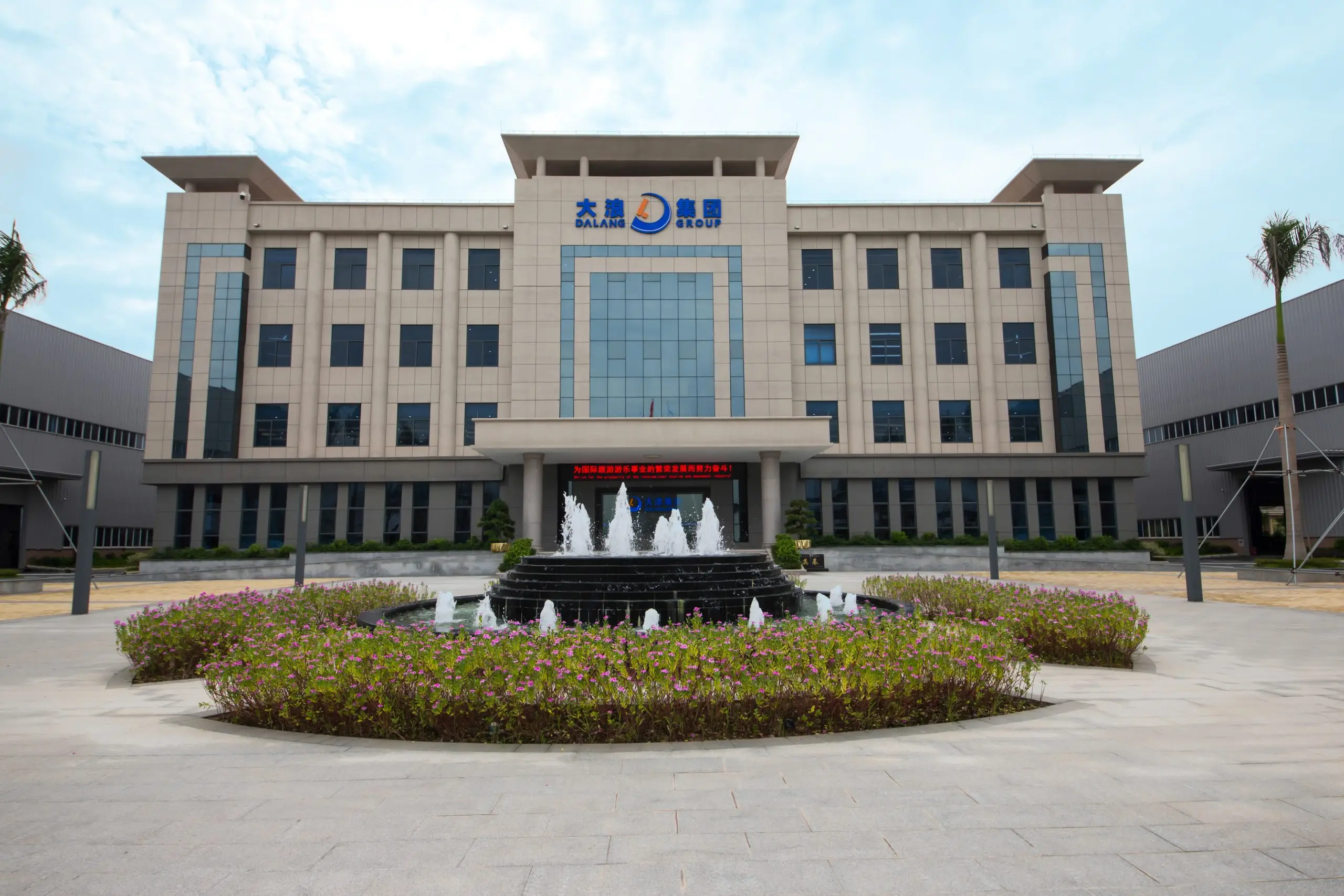
Choosing builders and integrators who understand both capacity engineering and environmental constraints positions a resort for stable guest flow—and for a smaller ecological footprint. Dalang. –
 Admin