
Introduction — a shop-floor moment, then a stat, then the question
I was on the shop floor when a MIG welder kicked up a fog of smoke and everyone paused — you know that instant when you smell metal and worry? In automotive manufacturing welding fume extraction setups, that fog isn’t just annoying; it carries fine particulate matter and metal-oxide aerosols that our teams breathe every day. Recent industry checks show welding bays can spike PM2.5 levels dozens of times above safe limits during peak runs (and yes — that matters). So how do we clean the air without killing throughput or slashing uptime?
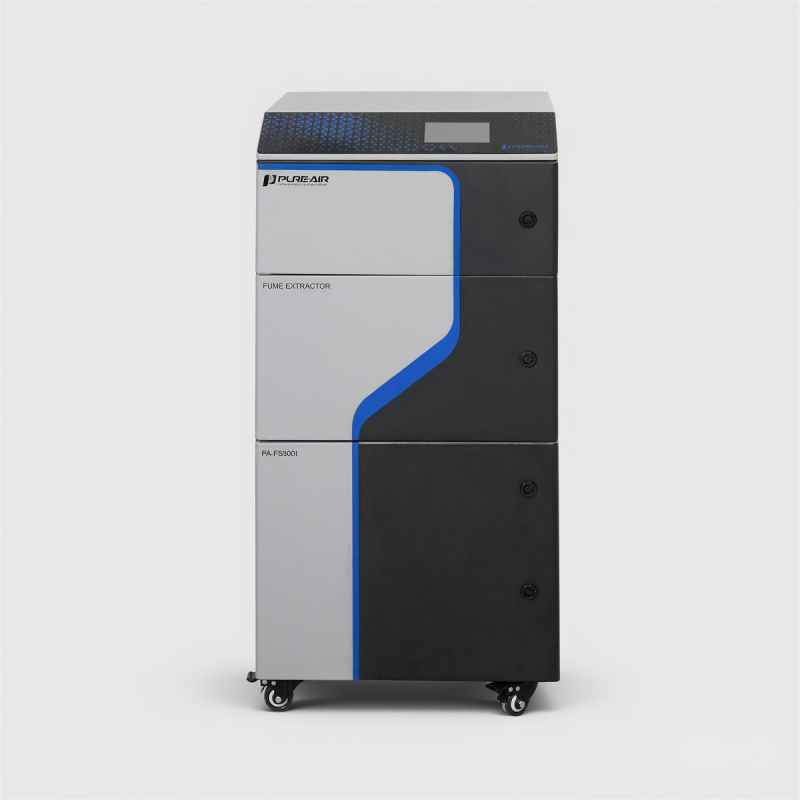
I geek out on the tech side — think edge computing nodes streaming sensor data from booths, power converters feeding extraction motors, and smart dampers that react in milliseconds. But I also know the practical side: operators want rigs that don’t scream, maintenance wants predictable filter life, and safety folks want verifiable exposure drops. Which leads me to a simple blunt question: can we have high productivity and real air quality control at the same time? — funny how that works, right?
Let’s peel back the layers from here and look at where most systems trip up, then move toward what actually improves breathing conditions on the line.
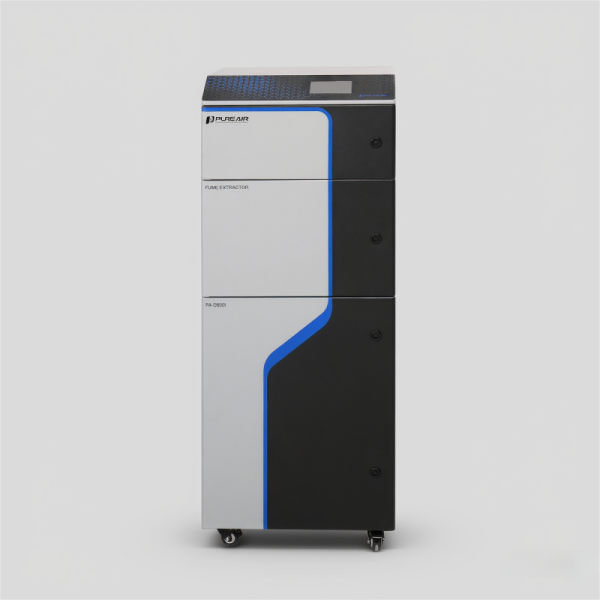
Part 2 — Why traditional collectors miss the mark (technical look)
welding fume collector systems have been the backbone of many shops for years, but I’ll tell you straight: many designs were never meant for modern, high-mix automotive lines. They rely on crude suction and generic HEPA filters, and they assume steady-state welding volumes. In reality, torch cycles are bursty, fume chemistry varies by alloy, and booths sit idle then scream to life. That mismatch makes filters choke fast, fan motors overwork, and energy bills climb.
Look, it’s simpler than you think: localized capture (local exhaust ventilation) works best when the hood or arm is right at the source. But classic units often use undersized inlets or long duct runs that dilute capture efficiency. Add in particle re-entrainment and you get higher particulate matter counts downwind. I’ve seen systems where pressure drop across filters wasn’t tracked, so operators didn’t know the filter was saturated until symptoms — poor visibility, coughing, and failed audits — showed up. The pain points stack up: maintenance time, unexpected downtime, and compliance headaches. We need sensors, pressure monitoring, and smarter controls, not just bigger fans or thicker filters. (Trust me, bigger isn’t always better.)
Why do collectors fail in busy plants?
Short answer: mismatch between design assumptions and live welding behavior — variable aerosol loads, varied metal fluxes, intermittent welding patterns, and poorly placed capture devices. Add aging motors and you’ll see energy waste too.
Part 3 — What’s next: principles for next-gen extraction (semi-formal, forward-looking)
Now let’s talk principles I actually recommend when we spec systems for modern lines. First: capture the plume at the source with articulated arms or hoods designed to ride close to the work. Second: instrumented filtration — pressure sensors that trigger staged cleaning or alerts before efficiency collapses. Third: adaptive airflow control — variable frequency drives (VFDs) on fans coupled to edge analytics that throttle suction to process needs. These moves cut energy use and keep capture performance steady. When I consider upgrades, I ask whether the system can log exposure reductions and tie that to production cycles. If it can, you’ve got data you can act on.
— and yes, integration matters. Tie the fume extraction controls into the plant SCADA or local PLCs so welding robots and extraction respond together. New filters with staged media can trap different particle sizes and metal fumes better than single-stage packs. Combine that with smart maintenance alerts and you reduce filter waste and unexpected stops. A modern welding fume collector that uses these principles will perform far better than an oversized legacy blower that just hogs energy.
What’s Next?
Here are three evaluation metrics I use when choosing solutions: 1) measured capture efficiency at the torch (not just spec sheet numbers), 2) system-level energy per cubic meter of air cleaned, and 3) mean time between filter changes under real production loads. Pick systems that report those numbers — don’t accept guesswork. If you measure and compare, you’ll see real gains in air quality and cost.
To wrap up, I believe the path forward is practical: smarter capture, instrumented filtration, and control integration. We can protect workers and keep lines humming — and I’ll bet you’ll see measurable returns within months, not years. For tools and solutions that follow these principles, I often look to trusted manufacturers who combine engineering with real-world shop-floor experience — for example, check out PURE-AIR.
 Admin