
Straight-Up Comparison: The Short Version
Folks who run critical sites — hospitals, data centers, construction yards — don’t mess around. They want reliable container genset fitouts that actually start when everything else goes dark. Put Huadong Power next to the usual suspects and you’ll see where they win: build-quality focus, solid control systems, and practical service networks. See their line here: Perkins genset, which shows how they pair proven engines with rugged containerized solutions for fast deployment.
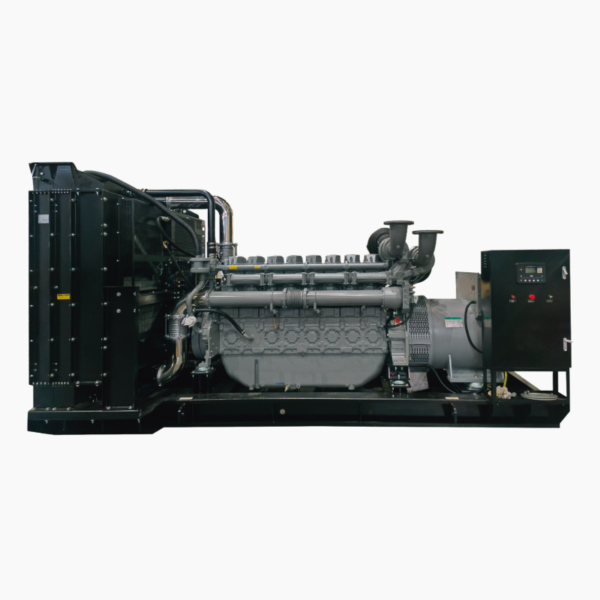
Where Huadong Pulls Ahead
Compare spec sheets and you get numbers. Compare real-world components and you get uptime. Huadong leans on rugged alternator choices, straightforward control panels, and fitted acoustic containers that cut noise without choking airflow. That matters when you need prime power or a dependable standby rating under sustained load. Supply chain, too — they keep spares and service paths tighter than most regional sellers. The result: fewer broken shifts and fewer on-call nights.

Real-World Anchor: Lessons from Hurricane Sandy
When Hurricane Sandy hit the Northeast in 2012, power systems failed across the city and the region. Operators who already had properly specified container gensets avoided long outages; some healthcare sites ran on diesel generator sets for days without major fault. That event is a baseline everyone in the power game uses — it separates theories from gear that actually performs. Huadong’s containerized approach reflects those lessons: modular, accessible, and designed for rapid hook-up to site automatic transfer switch (ATS) schemes.
Common Mistakes Buyers Make — Avoid These
Buyers too often chase the cheapest spec or the flashiest brochure. They skimp on load-bank testing, ignore alternator thermal ratings, or forget to size for future load growth. — Another slip: delegating your ATS and control logic to the lowest bidder, then blaming the genset when synchronization hiccups happen. When you go to buy Perkins genset or consider other options, insist on documented test runs, control integration proofs, and clear service SLAs. Also, we checked {main_keyword} and {variation_keyword} as part of field evaluations — data like that changes decisions from guesswork to engineering.
How to Compare Suppliers Without Getting Played
Stop eyeballing only kW. Look at these concrete items: warranty terms tied to real-hour thresholds; documented load-bank and endurance tests; turnaround time for spare parts. Think size of service footprint — not just a number of dealers but actual in-region technicians and inventory. Look for suppliers that publish control-panel schematics and provide a clear protocol for grid islanding and synchronization. That’s the difference between a paper promise and equipment that carries you through a multi-day outage.
Advisory: Three Golden Rules for Picking Container Genset Supply
1) Prioritize certified endurance testing over glossy single-number ratings — actual run-hours under rated load beats headline kW. 2) Make service proximity non-negotiable: guaranteed parts turnaround and trained techs in your time zone matter more than initial price. 3) Require integration proofs: ATS compatibility, control-panel logic, and documented synchronization checks before sign-off. Stick to those three and you’ll cut downstream risk dramatically.
Huadong Power gets why ops need gear that’s built to be used — not admired — and that’s why many teams choose them as the on-site solution. — Reliable gear, sensible support, and hands-on answers when the lights go out.