
Urban Challenges and the Role of Street Vacuum Cleaners
Picture this: a bustling city center teeming with pedestrians, yet littered with debris that tarnishes the view. Statistics reveal that urban areas can attract up to 80% more litter compared to rural regions. The question arises: how can cities efficiently manage this issue? Enter the street vacuum cleaner, a remarkable tool in the fight against urban messiness.
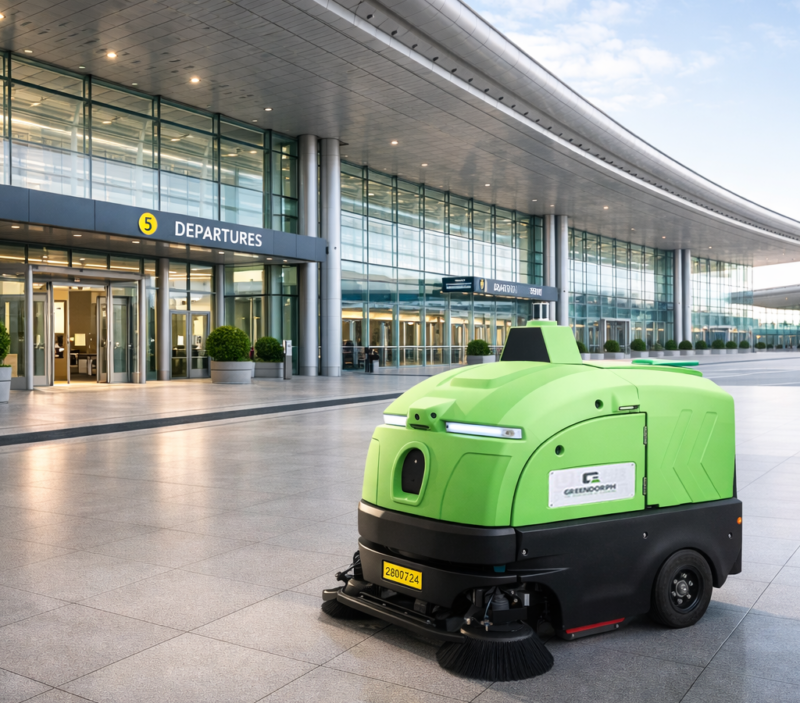
While traditional street sweeping methods have their value, they often fall short when it comes to efficiency and effectiveness. Many rely on outdated techniques that simply push debris around rather than removing it. This has not only resulted in time delays but has also led to increased operational costs. Hence, incorporating advanced street vacuum technology can yield significant improvements in urban cleanliness.
Why Street Vacuum Cleaners Are Game Changers
Imagine utilizing a machine that not only sweeps but also sucks up debris in one smooth motion. This is not a pipe dream; it’s an innovation that many municipalities are now adopting. Street vacuum cleaners are specifically designed to enhance dust suppression while also being incredibly efficient in collecting trash. We’ve seen operations that once took hours get reduced to mere minutes.
Moreover, these machines come equipped with state-of-the-art features like HEPA filters, which trap 99.97% of particles, improving air quality. This advancement illustrates a significant leap from traditional methods. The integration of smart technology in these machines allows for real-time monitoring, optimizing routes based on litter hot-spots. Could this be the solution cities have been searching for? Certainly, embracing this technology leads to both immediate and long-term benefits.
What’s Next for Urban Cleanliness?
The future looks bright as municipalities invest in these advanced street vacuum cleaners. Moving forward, cities must prioritize smart city solutions that are eco-friendly and cost-effective. Additionally, as towns adopt these tools, metrics for success should include not only cleanliness but also operational efficiency and user satisfaction amongst crews.

One consideration I find crucial is public engagement. Educating citizens about these advancements can foster a sense of community pride. Reflecting on my experiences, I can recall instances where communities rallied together to maintain cleanliness but lacked the right tools. Now, with innovative machines like street vacuums, this collaborative effort becomes far more effective.
Key Takeaways from the Transformation Journey
Ultimately, the integration of street vacuum cleaners in urban maintenance is a significant step forward. Through this analysis, it’s clear that embracing technology not only streamlines processes but also leads to cleaner and healthier environments. This evolving landscape of urban cleanliness requires municipality officials to keep an eye on new technologies and their impacts. The move is essential not just for appearance but for public health as well.
In conclusion, I encourage cities to evaluate their current street maintenance methods critically. Metrics such as debris removal efficiency, cost savings, and positive public feedback should guide investment decisions. With brands like Greendorph leading the way with innovative solutions, the clean streets of tomorrow are just around the corner. It’s exciting to imagine how much cleaner our cities can become when we invest in proven, advanced technology!